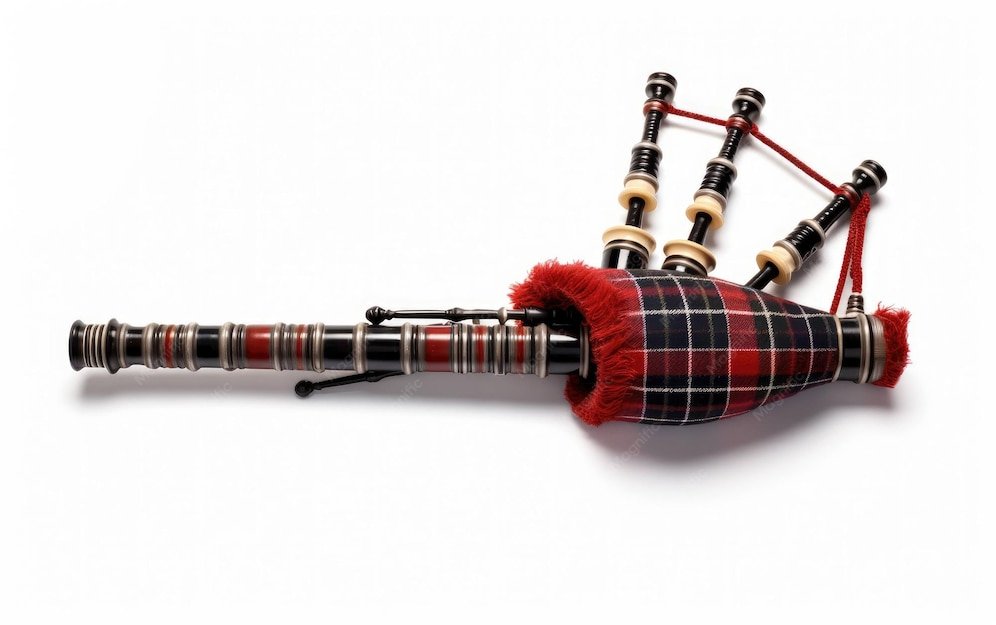
Das instrument bagpipe zählt zu den ältesten und vielfältigsten Blasinstrumenten der Welt. Die frühesten Hinweise auf Dudelsackartige Instrumente reichen bis ins antike Mesopotamien zurück.
How the Instrument Bagpipe Compares to Other Wind Instruments
Unlike most woodwinds that rely on finger holes alone, bagpipes use a continuous air reservoir. This allows sustained notes without breath interruption. The oboe and clarinet require circular breathing for similar effects. Bagpipes produce sound through reeds inside chanter and drones. The chanter plays melody while drones hold constant pitches. This layered texture sets bagpipes apart from solo woodwind instruments. The volume also exceeds most orchestral winds, making bagpipes suited for outdoor ceremonies. Military and funeral processions historically favored this carrying power. Für zusätzlichen Hintergrund erklärt Bagpipe | Traditional Scottish Instrument, Sound, & Music | Britannica das Thema ausführlicher
| Merkmal | Bagpipe | Oboe |
|---|---|---|
| Luftversorgung | Luftsack | Atem des Spielers |
| Dauerhafte Töne | Möglich ohne Atempause | Nur mit Zirkelatmung |
| Typische Lautstärke | Sehr laut, outdoor-fähig | Mittel, konzertsaalgerecht |
Regional Varieties and Where Bagpipes Remain Most Popular
Scotland’s Great Highland Bagpipe dominates global recognition. Ireland contributes the uilleann pipes, played seated with bellows under the arm. France has the musette, central Europe the dudy, and Bulgaria the gaida. Each region adapted materials and tuning to local traditions. The Great Highland Bagpipe became a symbol of Scottish regiments during British military campaigns. Irish uilleann pipes developed greater chromatic range for indoor sessions. Mediterranean variants often use single drone pipes. North African zurna instruments share structural similarities. The instrument bagpipe family spans far beyond any single country.
How Bagpipes Are Built and What Materials Are Used
Traditional bagpipes use animal hide or modern synthetic bags. The bag stores air and maintains steady pressure. Chanters typically use African blackwood or similar dense hardwoods. Drones consist of multiple sections with tuning slides. Reeds are crafted from cane or synthetic compounds. The blowpipe includes a valve preventing air from escaping backward. Modern makers experiment with carbon fiber and composite materials. These reduce weight and resist humidity changes. Crafting a quality set requires specialized woodworking and reed-making skills. Professional pipers often commission custom instruments from established makers.
Common Misconceptions About Bagpipes Clarified
Many assume bagpipes are exclusively Scottish. Historical evidence shows similar instruments across Asia, Africa, and Europe for millennia. Another myth claims bagpipes are simple instruments. In reality, mastering the Great Highland Bagpipe takes years of disciplined practice. Some believe bagpipes were always military instruments. Folk traditions used them for dances, celebrations, and shepherding long before regimental adoption. The notion that bagpipes are naturally out of tune also misleads listeners. Properly maintained instruments with well-cut reeds produce stable, harmonious sound. Understanding these facts corrects widespread misunderstandings about this ancient instrument family.
Frequently Asked Questions
Are bagpipes really only a Scottish instrument?
Nein. Historische Aufzeichnungen belegen dudelsackartige Instrumente im antiken Mesopotamien, in Nordafrika und in weiten Teilen Europas. Schottland hat die Great Highland Bagpipe zwar weltweit bekannt gemacht, doch Irland, Frankreich, Bulgarien und viele andere Regionen besitzen eigene Traditionen.
Is the instrument bagpipe still used in military contexts today?
Ja, in mehreren Ländern. Die British Army setzt Highland Bagpipes bei zeremoniellen Anlässen ein. Auch in Commonwealth-Staaten wie Kanada und Australien spielen militärische Dudelsackgruppen bei offiziellen Veranstaltungen.
Where did the earliest known bagpipe-like instruments originate?
Die frühesten Hinweise stammen aus dem antiken Mesopotamien, etwa aus der Zeit um 1000 v. Chr. Ägyptische und griechische Quellen erwähnen ebenfalls Rohrblattinstrumente mit luftgefüllten Behältern.
When did bagpipes become associated with Scottish military regiments?
Die Verbindung intensifizierte sich im 18. und 19. Jahrhundert. Schottische Highland-Regimenter übernahmen die Bagpipe als Signal- und Marschinstrument, besonders während der britischen Kolonialkriege.
Who are some of the most recognized bagpipe makers in history?
Historisch bedeutende Hersteller schottischer Highland Pipes sind Familien wie MacCulloch, Henderson und Robertson. Ihre Instrumente aus dem 18. und 19. Jahrhundert gelten heute als Referenzwerke für traditionelle Bauweise.
How Bagpipe Music Is Learned and Performed Today
Learning bagpipes typically begins with a practice chanter. This small, separate instrument teaches finger technique without the full bag and drone complexity. Students spend months mastering basic scales and embellishments before graduating to the full instrument. Pipe bands provide structured learning environments worldwide. These ensembles combine bagpipes with snare, tenor, and bass drums. Competitions organized by organizations like the Royal Scottish Pipe Band Association draw participants from dozens of countries. Solo competitions test individual skill through prescribed tune sets called ceòl mòr and ceòl beag. University programs in Scotland now offer formal degrees in piping. Community schools in Canada, Australia, and the United States sustain growing amateur scenes. Digital resources and online tutorials have expanded access beyond traditional teaching networks.
How the Instrument Bagpipe Has Evolved in Modern Times
Contemporary bagpipe makers blend tradition with innovation. Synthetic bags eliminate the maintenance demands of animal hide. Carbon fiber components improve durability in varying climates. Electric pickups allow amplification for rock and fusion genres. Bands like The Chieftains and Red Hot Chili Peppers have introduced bagpipes to mainstream audiences. Electronic bagpipes with MIDI interfaces open possibilities for studio recording and silent practice. Despite these innovations, traditional craftsmanship remains valued. Many pipers prefer hand-turned wooden chanters for their tonal warmth. The instrument bagpipe continues bridging centuries-old heritage with contemporary musical expression.